The AusSTS 2025 committee is led by co-convenors Carina Truyts and Christopher O’Neill
Christopher O’Neill is a Deakin University Postdoctoral Research Fellow at the Alfred Deakin Institute for Citizenship and Globalization, where he studies the role of automation in contemporary biopower. He is also a 2025-2026 Fulbright Scholar at the University of Southern California, studying ‘error’ as a problematic for the automated workplace. He is currently working on two monographs – one a genealogy of the body in the ‘sensor society’, and another on the biopolitical stakes of facial recognition technologies.
Carina Truyts is a social anthropologist and STS scholar. Her work focuses on nourishment, reproduction (including epigenetics and DOHaD), and human/ environment intra-action. Her PhD explores human – environment relationships in the South African city of Kimberley, where she established the social anthropology department and undergraduate programme. She coordinates Deakin University’s interdisciplinary Science and Society Network (SSN) and conducts research on assisted reproduction at Monash.
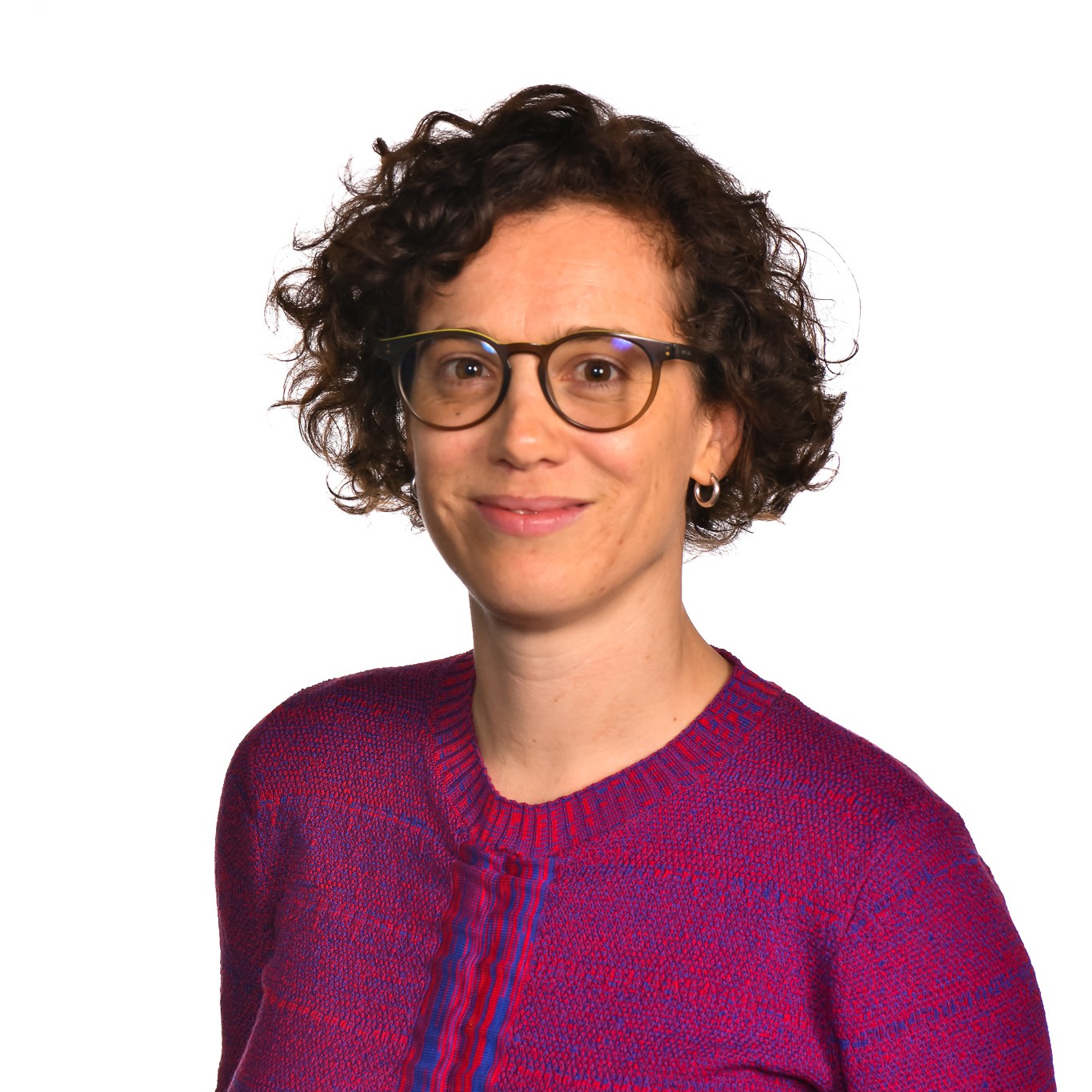
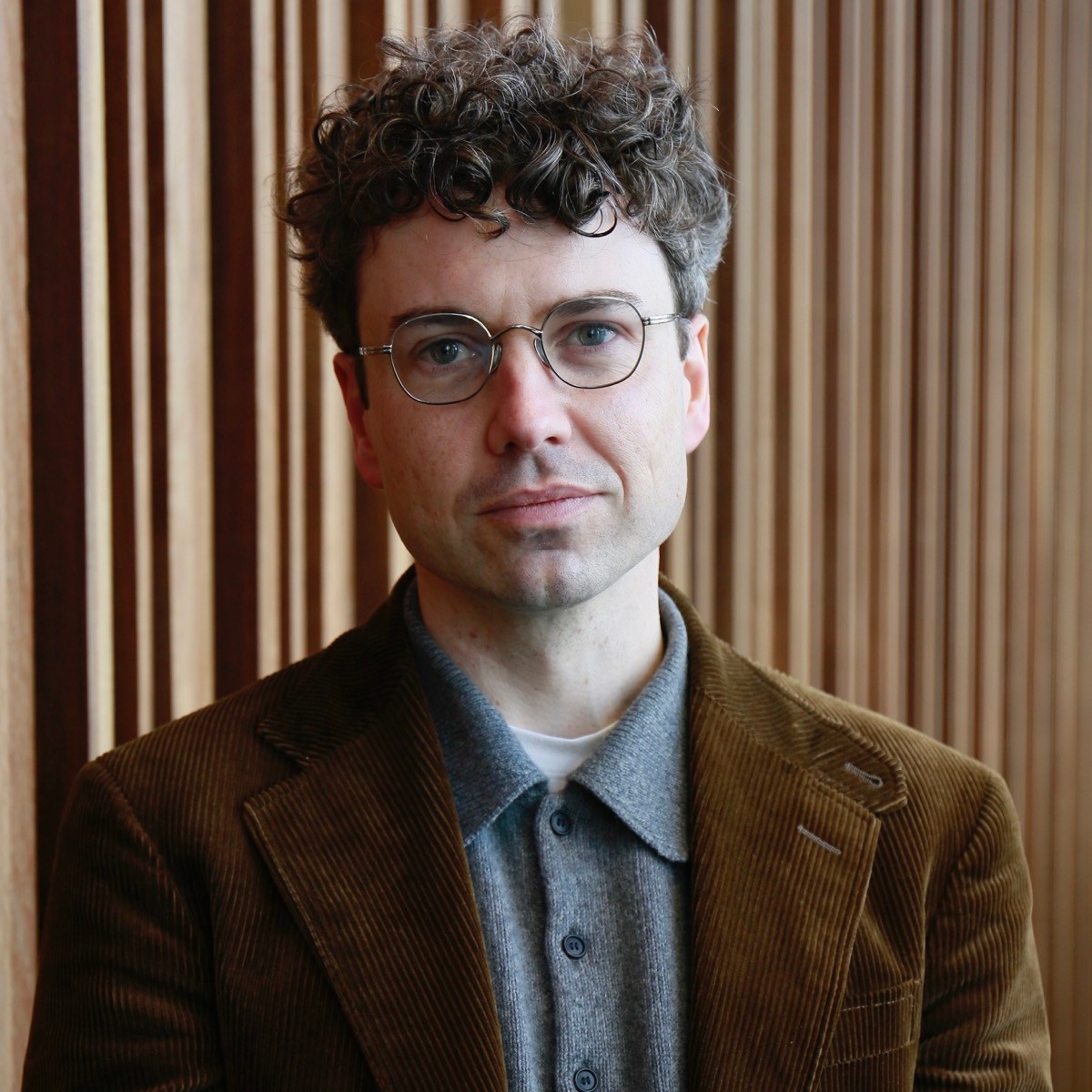
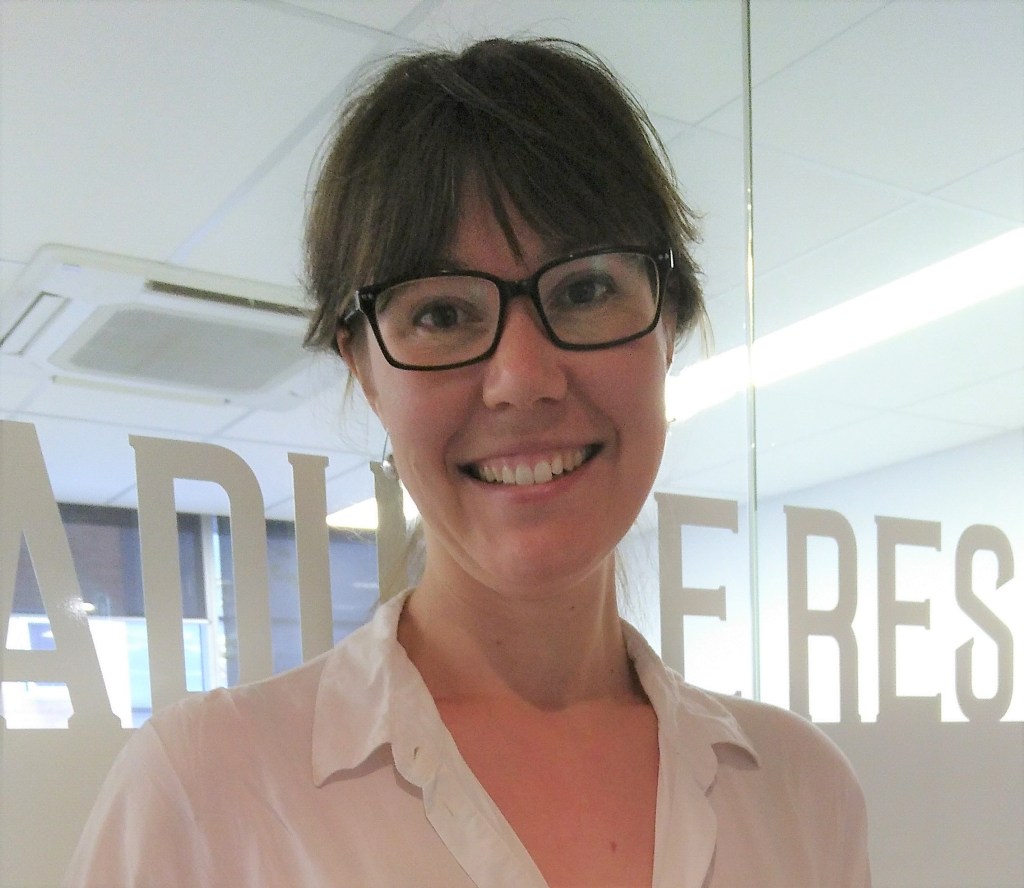
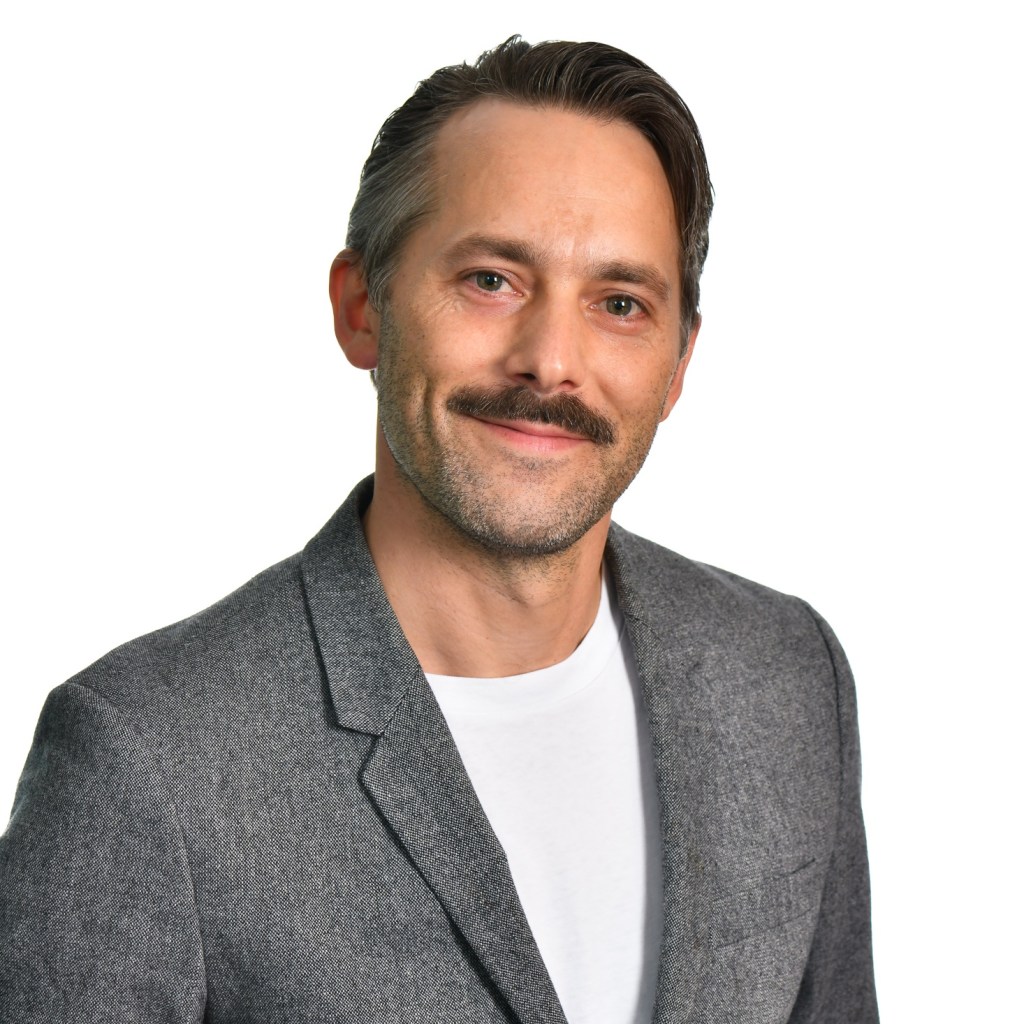
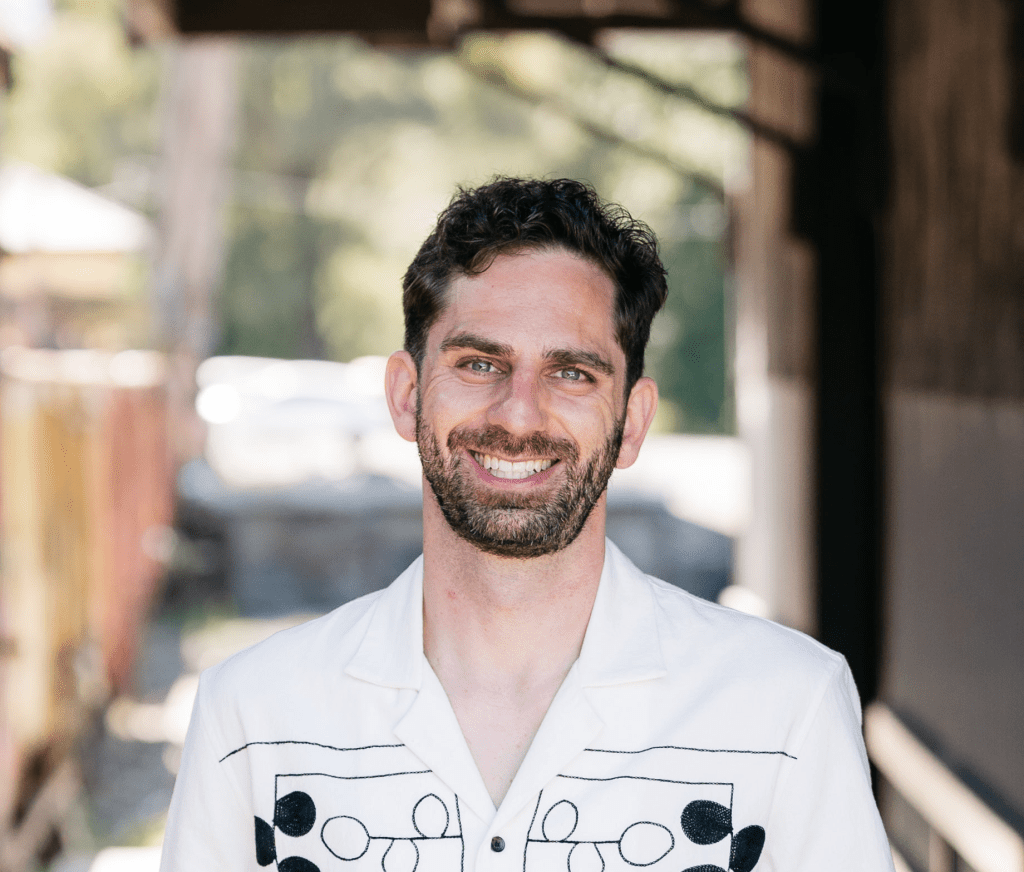
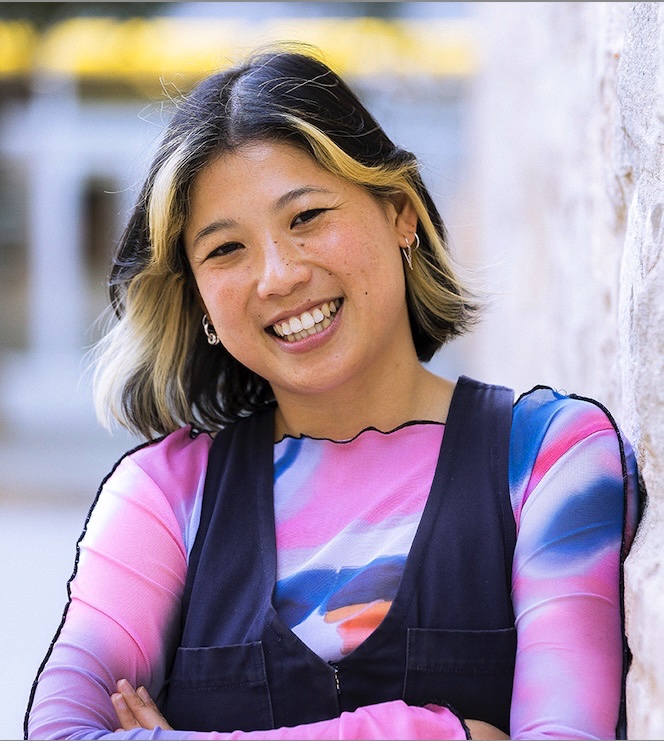
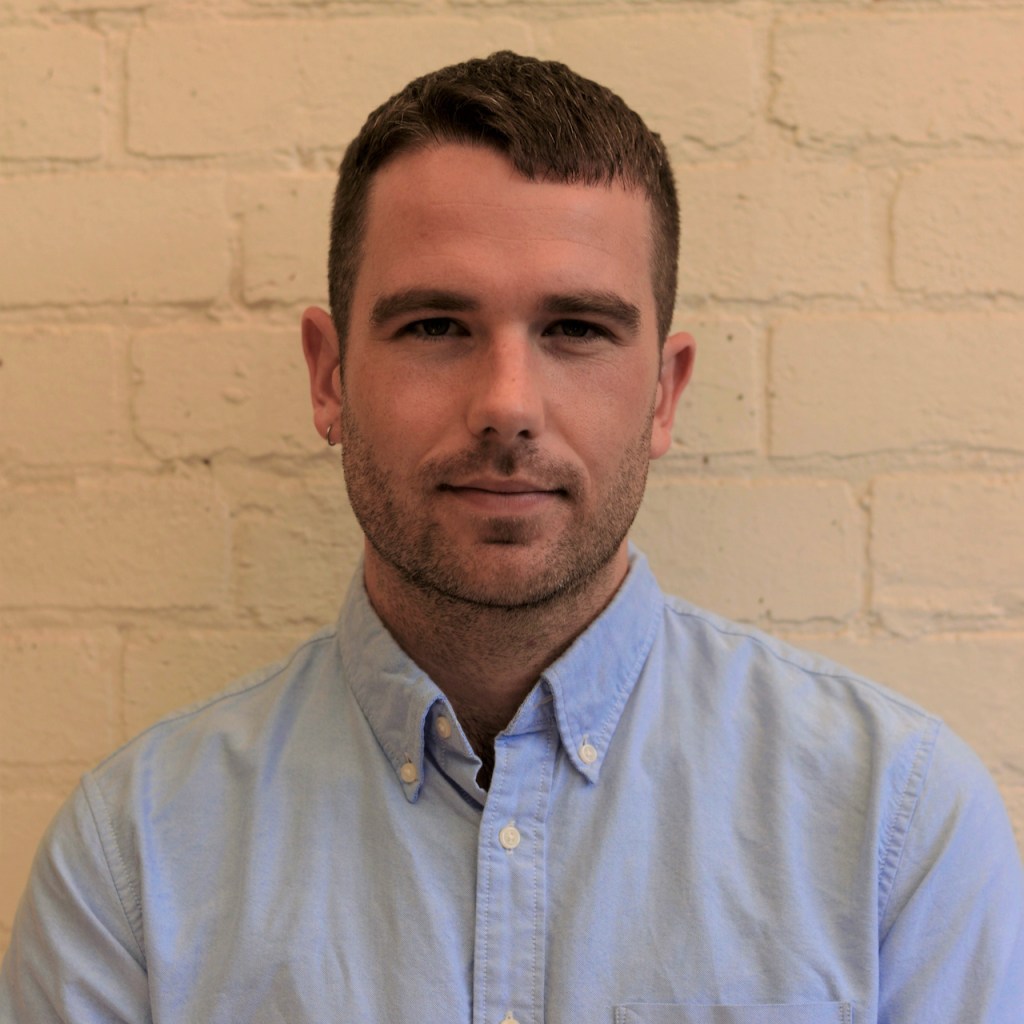
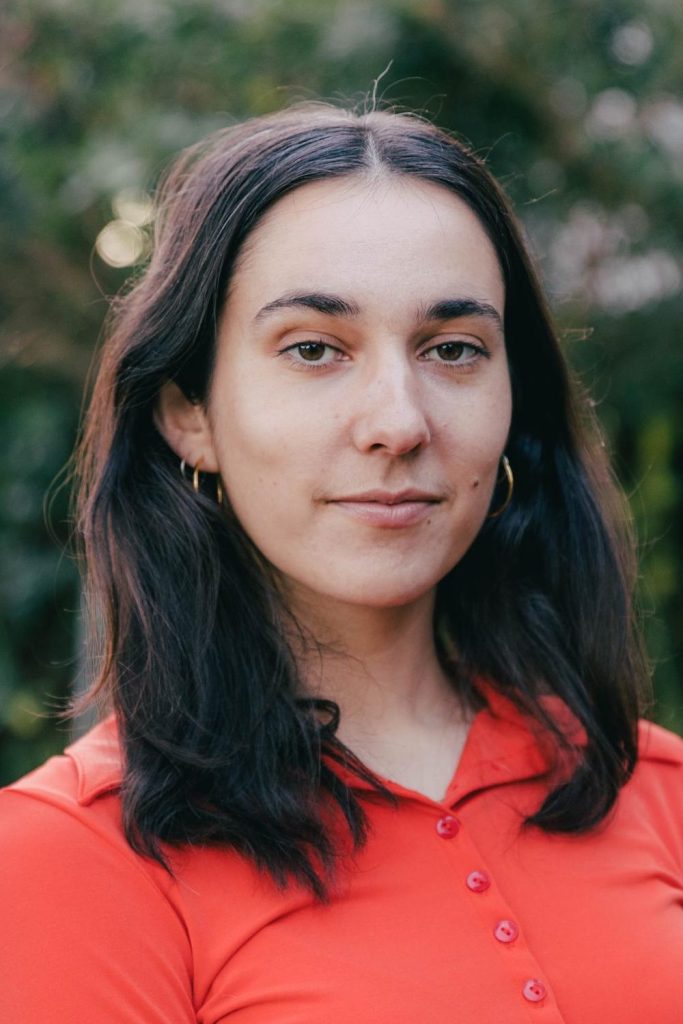

AusSTS 2025 committee bios
Glen Berman is a PhD candidate at the Australian National University, where he studies the construction of Artificial Intelligence as a research field and practice. Glen is also Senior Researcher at the HASS Digital Research Hub at ANU, supporting the AI as Infrastructure project, which is experimenting with the application and evaluation of language technologies in the cultural sector. Glen’s research has been published in Big Data & Society and presented at the AAAI/ACM Conference on AI, Ethics, and Society, the CHI Conference on Human Factors in Computers, the ACM Conference on Computer-Supported Cooperative Work, and NeurIPS.
Thao Phan is a feminist science and technology studies (STS) researcher who specialises in the study of gender and race in algorithmic culture. She is a Lecturer in Sociology (STS) at the Research School for Social Sciences at the Australian National University (ANU). Thao has published on topics including whiteness and the aesthetics of AI, big-data-driven techniques of racial classification, and the commercial capture of AI ethics research. Her writing appears in journals such as Big Data & Society, Catalyst: Feminism, Theory, Technosocience, Science as Culture, and Cultural Studies. She is the co-founder and current President of AusSTS—Australia’s largest network of STS scholars.
Sophie Adams is a human geographer and Science and Technology Studies (STS) scholar with a research interest in climate change impacts and response. She is an Alfred Deakin Postdoctoral Research Fellow at the Alfred Deakin Institute of Citizenship and Globalisation at Deakin University. Her current research is on the challenges of building renewable and resilient energy systems in a changing climate, including the participation and experiences of household energy users and the ways that the social objectives and implications of the energy transition are being negotiated in modelling and planning processes. Past research has explored the origins of current approaches to human adaptation in evolutionary theory and systems ecology as well as their contemporary politics in the context of anthropogenic climate change. Her work has appeared in Progress in Human Geography, Energy Research & Social Science, and Regional Environmental Change, among other journals.
Dr Tristan Duncan is a public health sociologist, lecturer at the School of Health and Social Development at Deakin University, and Senior Researcher at Burnet Institute. With a background in the harm reduction sector, Tristan’s research is focused on intervention implementation and evidence-making practices related to alcohol and other drug use. His work is informed by Science and Technology Studies and currently involves an ethnographic study of hepatitis C point-of-care testing technologies and service decentralisation in the ‘endgame’ of HCV elimination.
Dr Mardi Reardon-Smith is a Research Fellow at the ARC Centre of Excellent for Automated Decision-Making and Society working on ADM, ecosystems and multispecies relationships. Mardi is an environmental anthropologist and science and technology studies (STS) researcher who specialises in the study of the social dimensions of environmental management in intercultural contexts. She has published on topics including the joint management of protected areas, the co-creation of environmental knowledges, and human relationships to invasive plant (weed) species and their control. Her work appears in journals such as Geoforum, Environment and Planning E: Nature and Space, and Ethnos. Her research process includes making photographs and film, and her work has been shown domestically and internationally at gallery spaces and film festivals. Mardi’s forthcoming book Making Do: Conservation Ethics and Ecological Care in Australia is under contract with Stanford University Press.
Distinguished Professor Emma Kowal is Professor of Anthropology and Co-Convenor of the Science and Society Network at Deakin University. She is a cultural and medical anthropologist who previously worked as a medical doctor and public health researcher in Indigenous health. Her research interests lie at the intersection of anthropology, science and technology studies (STS), and Indigenous studies. She is an award-winning researcher and educator and a Fellow of the Academy of the Social Sciences in Australia and the Australian Academy of Health and Medical Sciences. She has authored 150 publications including the monograph Trapped in the Gap: Doing Good in Indigenous Australia and the collection Cryopolitics: Frozen Life in a Melting World. Her latest book is Haunting Biology: Science and Indigeneity in Australia (Duke UP 2023).
Timothy Neale is a pakeha (settler) academic from Aotearoa New Zealand living and working in Melbourne/Naarm where he works as an Associate Professor in Anthropology at Deakin University. An STS scholar and anthropologist interested in humans’ effort to know and control environments, he is also an Editor (2022-2028) of the journal Science, Technology, & Human Values.
Dr Joel Stern is a Vice Chancellor’s Postdoctoral Fellow in School of Media and Communication at RMIT University. Joel is a researcher, curator, and artist living in Naarm/Melbourne, Australia. Informed by a background in experimental music and sonic art, Stern’s work focuses on how practices of sound and listening inform and shape our contemporary worlds. In 2020, with fellow artist-researchers Sean Dockray and James Parker, Joel founded Machine Listening, a platform for collaborative research and artistic experimentation, focused on the political and aesthetic dimensions of the computation of sound and speech. In 2024, with Sean Dockray, Stern curated This Hideous Replica, a major exhibition, public program and talks series featuring Australian and international artists critically exploring themes of reproduction, duplication, mutation, doubling, copying and cloning, in the context of contemporary emerging technologies and their social and political impacts. Between 2013 and 2022 Stern was Artistic Director of pioneering Australian organisation Liquid Architecture, helping establish it as one of the worlds leading forums for sonic art.
 AusSTS