AusSTS 2023 Program
“Contributing to and with STS”
UNSW Sydney
17–18 July 2023
(See bottom of page for Keynote and Panel speaker bios)
DAY 1: Monday 17 July
9:00–10:30 Opening Keynote Conversation
Thao Phan (Monash University); Celia Roberts (Australian National University)
“Contributing to and with Feminist Technoscience”
11:00–12:30 Panel Discussion
Chaired by Sonja van Wichelen (University of Sydney)
Courtney Addison (Te Herenga Waka-Victoria University of Wellington); Ash Watson (UNSW); Thom van Dooren (University of Sydney); Michaela Spencer (Charles Darwin University)
“What is an Australasian STS Contribution?”
1:30–2:30 Short Presentations Session 1
Session 1A: Sensing in practice
Chair: Sophie Adams (Deakin University)
Jessica Loyer (William Angliss Institute)
Towards a Theory of Ambiguous Substances: Cannabis and Superfoods in Discourse, Practice, and Policy
Mia Harrison (UNSW)
Situating best practice: Making familiar and certain (enough) care
Ella Butler (UNSW)
Frankenstein and the Figure of Processed Food
Ausma Bernot (Charles Sturt University)
Adopting an STS lens to facial recognition best practices in Australia
Session 1B: Potentiality
Chair: Roberta Pala (University of Sydney)
Allison Fish (University of Queensland); Nishtha Bharti (Indian Institute of Technology)
Reconciling the promise of near and far futures: A provocation arising out of precision medical care in India and the US
James Gourley; Jason Tuckwell; Michelle Catanzaro (Western Sydney University)
Working for a Greater Western Sydney Environmental Humanities
Fan Yang (Deakin University)
Dividualising Human Data in Post-ChatGPT
John Noel Viana (Australian National University & CSIRO)
Spatialities and temporalities of innovation: Implications for racial diversity in pandemic systems biology research
2:30–3:30 Short Presentations Session 2
Session 2A: Knowing ecologies
Chair: Myles Oakey (University of Sydney)
Nikolai Siimes (University of Auckland)
Fermenting STS theory: Thinking-with microbes
Mardi Reardon-Smith (Deakin University)
Commercialising Indigenous Medicine Plants in Australia: Aboriginal knowledges, regulatory requirements, and biological resources
Randi Irwin (University of Newcastle)
When Sand Travels
Dan Santos (Australian National University)
Emerging bioeconomic landscapes: Encounters Between Geography and STS
Session 2B: Labour and community
Chair: Kieran Hegarty (RMIT University)
Libby Young (Sydney University)
Distant, different
Jenna Imad Harb (Australian National University)
Work separate, not faster: Technosocial changes in humanitarian labour
Zoe Horn (WSU); Michael Richardson (UNSW)
Planning, Logistics, Labour: From Operations Research to Digital Twins
Anushree Gupta (IIT Hyderabad India)
Annapurnas and Warriors: Voluntary care work, entrepreneurialism and disaster relief in Hyderabad
4:00–5:30 Written Papers Workshop 1
Workshop 1A
Chair: Matthew Kearnes (UNSW)
Henrietta Byrne (University of Adelaide)
“Nuclear is gonna be in our family forever”: notes from sacred and scarred country
Cathy Breed (Te Herenga Waka-Victoria University of Wellington University)
The roots of more-than-human: a guide to scholarship beyond anthropocentricism
Sara Daly (Monash University)
Why do we wear what we wear to the air-conditioned workplace? An ethnographic analysis of an emergent dialogue between humans and air-conditioning
Workshop 1B
Chair: Michael Richardson (UNSW)
Tingting Liu (Jinan University)
Unveiling the Emergent Erotic Realm: Exploring the User Interface Design of Otome Mobile Games for Chinese Women
Nyssa Ferguson (La Trobe University)
Work-related drinking cultures: towards new approaches with STS
Isabelle Volpe (UNSW)
Hybrid and inventive approaches to mapping participation in policy
7pm–9pm: Field Trip
Sydney Observatory
A special tour of Sydney Observatory organised around the themes of History, Astronomy, and Observations.
DAY 2: Tuesday 18 July
9:00–11:00 Written Papers Workshop 2
Workshop 2A
Chair: Thao Phan (Monash University)
Ned Cooper (Australian National University)
STS and feedback processes for LLMs
Jérémie Poiroux (EHESS France)
Algorithms alignment and misalignment: A research project draft for the transparency of intentions
Lorenn Ruster (Australian National University)
Dignity as a gateway to rethinking “Responsible AI”: perspectives of an entrepreneur building AI-enabled products
Glen Berman (Australian National University); Ned Cooper (Australian National University); Angus Dowell (University of Auckland); Libby Young (University of Sydney)
Reflections on encounters with AI institutes
Workshop 2B
Chair: Eva Haifa Giraud (University of Sheffield)
Jocelyn Bosse (King’s College London)
Revisiting the Ayahuasca Plant Patent Controversy
Omkar Nadh Pattela (University of Queensland)
Competition and free market science: The HPV vaccine story
Rachel Aalders (Australian National University)
Controlling data: the case of open banking in Australia
Charlotte Bradley; Louisa Shen (Australian National University)
A Good Mimic: Automated Writing Machines from the Teletype to ChatGPT
11:30–12:30 Short Presentations Session 3
Session 3A: Responsibility
Chair: Carley Bartlett (UNSW)
Henry Dixson (CSIRO & Australian National University)
Public Views on Synthetic Biology in Australia
Benjamin Hegarty (UNSW); Sujith Kumar (UNSW); Paula Jops (UNSW); Alegra Wolter (Our Voice); Ruthy Boli Neo (Papua New Guinea Institute for Medical Research); Angela Kelly-Hanku (UNSW)
Decolonisation, Demedicalisation, Democratisation, and Desire: Response-ability in STS and Global Health Research
Jianni Tien (University of Sydney)
Human-Microbial Relations: Young People’s Perspectives on Culturing within the Lab
Scott Webster (University of Sydney)
A Cork Tree in Cadi? Memoricide as a Multispecies Act
Session 3B: Thinking with discipline
Chair: Cecily Klim (UNSW)
Natasha Rooney (Deakin University)
Thinking with STS: a methodological approach
Jacinthe Flore; Jaya Keaney (University of Melbourne)
Thinking-Learning with STS
Matthew Campbell (University of Melbourne)
STS as a teaching companion
Daniele Fulvi (Western Sydney University)
Hubris vs. Humility: Negotiating HASS and STEM worldviews through Synthetic Biology
Bernice Wu; Sujatha Raman (Australian National University)
Boundaries as a Lever in Responding to Toxic Crises
1:30–3:30 Written Papers Workshop 3
Workshop 3A
Chair: Katie Kenny (University of Sydney)
Roberta Pala (University of Sydney)
Nurturing futures through the microbiome
Sophie Adams (Deakin University)
‘Knowing what the weather will do’: making science useful for adaptation to the impacts of climate change
Timothy Neale (Deakin University)
An inquiry into the modes of (emergency) inquiries
Workshop 3B
Chair: Joanne Bryant (UNSW)
Nicola Marks (University of Wollongong)
What is an Australasian STS contribution to writing a short global history of IVF?
Rachel Zicheng Yang (University of Sydney)
Hong Kong’s Multifaceted Outbreak Responses to Covid-19
Rey Tiquia (University of Melbourne)
The Enantiodromia Yin-Yang Dual Time System
Parikshith Shashikumar (IIT Hyderabad India)
Veradictory Stakes of Fact-Checking: An
Analysis of Website Affordances and Standards within
Indian Fact-Checking
4:00–5:30 Closing Plenary
Chaired by Mia Harrison (UNSW)
Discussants: Ella Butler (UNSW); Dan Santos (Australian National University); Carina Truyts (Deakin University); Jianni Tien (University of Sydney)
“Reflecting on AusSTS 2023”
Evening: Social Gathering
KittyHawk
Keynote and Panel Speakers
Opening Keynote: “Contributing to and with Feminist Technoscience”
A conversation with Dr Thao Phan (Monash University) and Professor Celia Roberts (Australian National University).
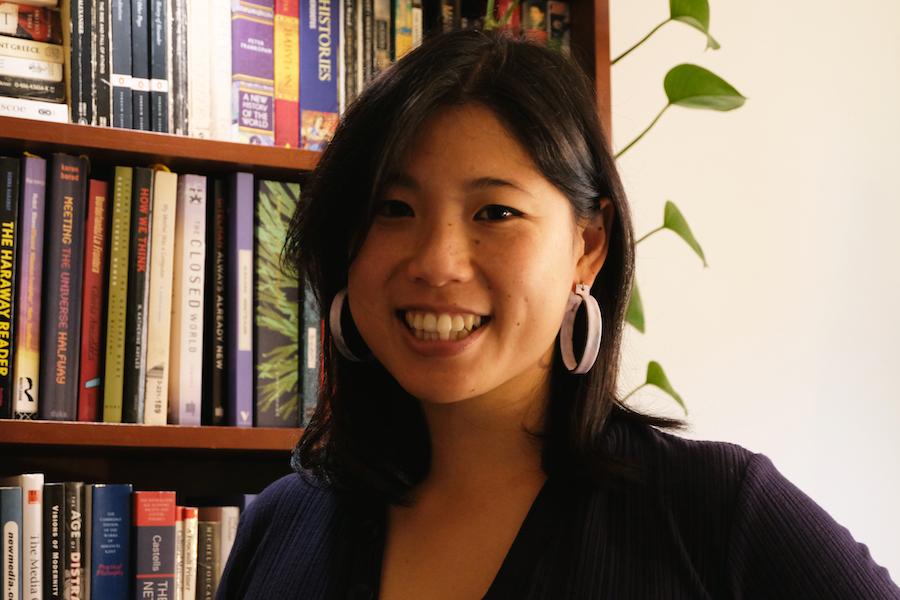
Thao Phan is a Research Fellow in the ARC Centre of Excellence for Automated Decision-Making & Society and the Emerging Technologies Research Lab at Monash University. She is a feminist technoscience researcher who specialises in the study of gender and race in algorithmic culture. She has researched and published on topics including: the aesthetics of digital voice assistants like Siri, Amazon Echo, and Google Home; ideologies of ‘post-race’ in algorithmic culture; the funding of AI ethics; and AI in popular culture.
Celia Roberts is a Professor in the School of Sociology at the ANU. Prior to this she worked for 18 years in the Centre for Science Studies and the Department of Sociology at Lancaster University. In both universities she has taught feminist theory, STS and FTS, research methods and social studies of health and biomedicine. She is the author of several books, including Puberty in Crisis; The sociology of early onset puberty (2015; Cambridge UP), Living Data: Making sense of health biosensing (2019; Bristol UP) with Adrian Mackenzie and Maggie Mort, and most recently, Reproduction, Kin and Climate Crisis: making bushfire babies (forthcoming, Bristol UP) with Mary Lou Rasmussen, Louisa Allen and Rebecca Williamson. She also edited the Routledge Companion to Actor-Network Theory with Anders Blok and Ignacios Farias (2019). She is currently working on an ARC project on the translation of epigenetics into antenatal care, with Catherine Mills, Jackie Leach-Scully, kylie valentine, Jacquie Boyle and Rebecca Williamson.
Panel Discussion: “What is an Australasian STS Contribution?”
This panel, chaired by Professor Sonja Van Wichelen (University of Sydney), assembles scholars doing work across Australasia that we might think about as contributing to Australasian STS in various ways. The panel discussion centres on the following questions:
- Who or what is Australasian STS?
- What constitutes a contribution to Australasian STS?
- What are the kinds of work and dialogue already taking place across the region that we might think about as STS?
- What does it mean to name (or not name) work as an STS contribution and who gets to decide?
Panel Speakers

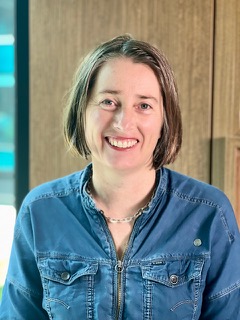
Courtney Addison is a Senior Lecturer in the Centre for Science in Society at Te Herenga Waka-Victoria University of Wellington. She is an anthropologist and STS scholar who has worked on the ethical negotiations found in experimental gene therapy clinical trials, and how pharmaceuticals are translated between doctors, pharmacists, and patients. Her current work explores the evidentiary politics around 1080, a poison used for conservation in Aotearoa. She is one part of the Science, Technology, & Human Values editorial collective, and an editor of the recently published An Anthropogenic Table of Elements, with Tim Neale and Thao Phan (University of Toronto Press, 2022).
Ash Watson is a Research Fellow with the ARC Centre of Excellence for Automated Decision-Making and Society at UNSW Sydney. She is a cultural sociologist interested in emerging technologies in mundane, queer and DIY contexts. Her research with ADM+S examines the gaps between hype and reality in automation and AI. She is also Fiction Editor of The Sociological Review and creator/editor of So Fi Zine (sofizine.com).
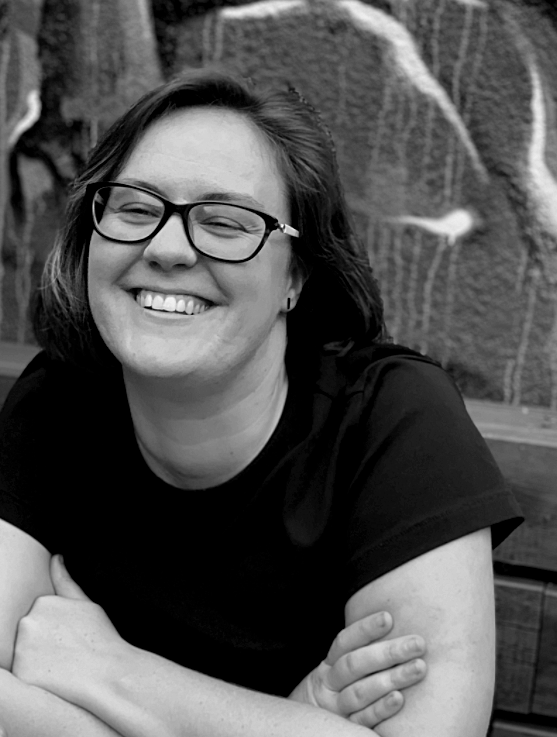
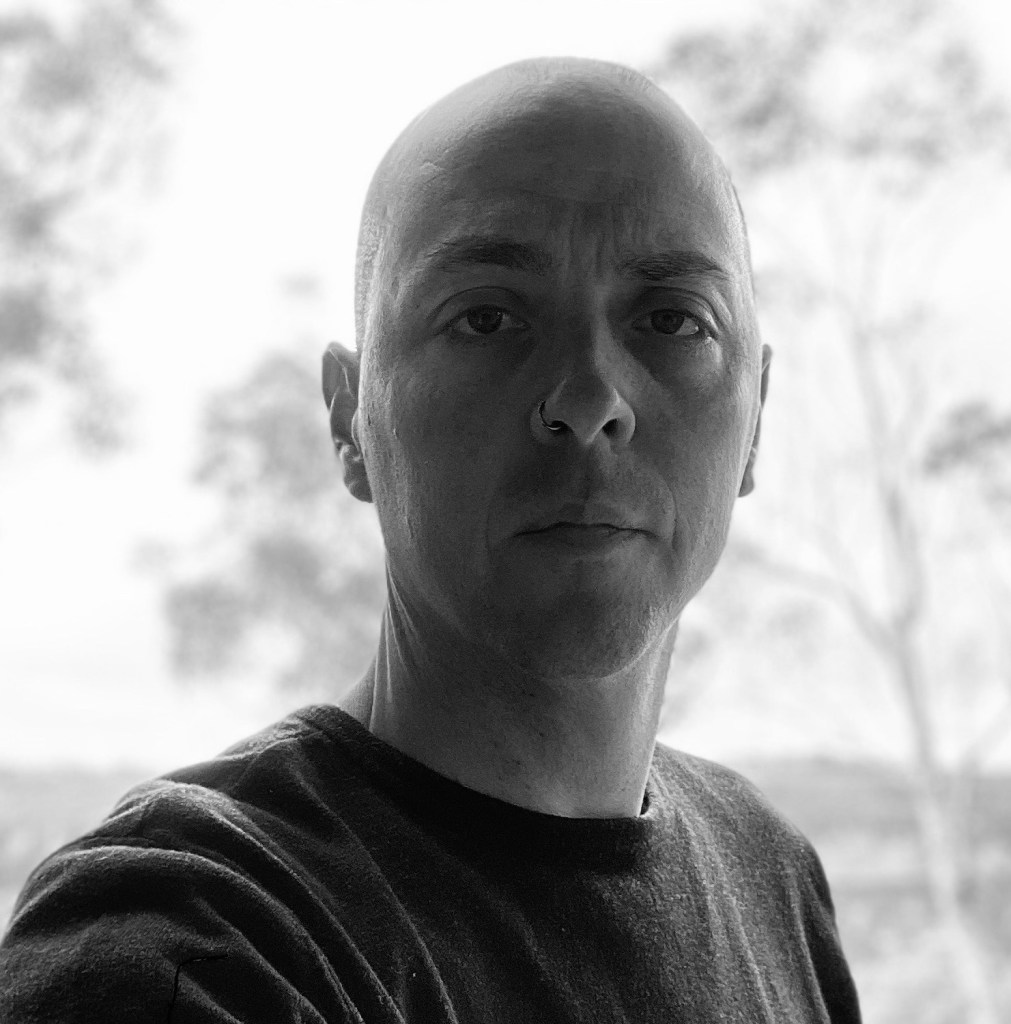
Thom van Dooren, FAHA, is Deputy Director at the Sydney Environment Institute and an Associate Professor in the School of Humanities at the University of Sydney. His research and writing focus on some of the many philosophical, ethical, cultural, and political issues that arise in the context of species extinctions and human entanglements with threatened species and places. He is the author of Flight Ways: Life and Loss at the Edge of Extinction (Columbia UP 2014), The Wake of Crows: Living and Dying in Shared Worlds (Columbia UP 2019), and A World in a Shell: Snail Stories for a Time of Extinctions (MIT 2022). www.thomvandooren.org
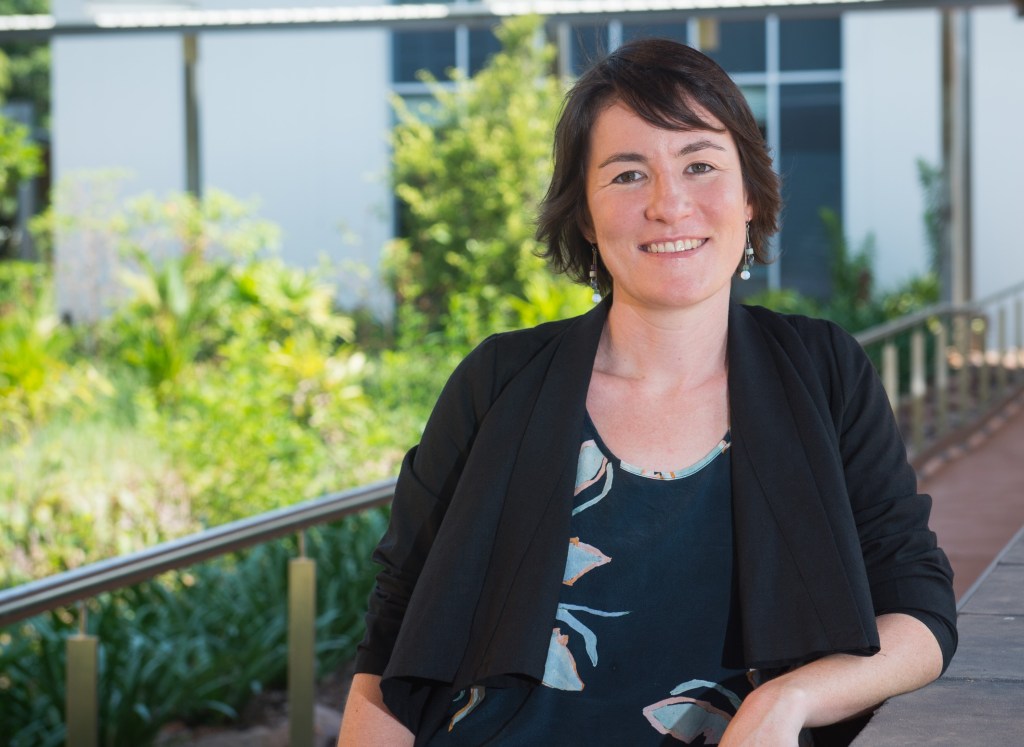
Michaela Spencer is a Senior Research Fellow at the Northern Institute, Charles Darwin University. She has a disciplinary background in environmental studies, sociology and STS. Her current research involves working from the ‘Ground Up’ under the authority of First Nations elders and researchers, focusing on the practices of differing policy concepts active in the everyday work of maintaining Northern Territory people-places. She is the co-coordinator of the research group TopEndSTS, and a founding editor of the scholar-led open access publisher, Mattering Press.
 AusSTS