The AusSTS Best Paper Prize aims to celebrate the work of junior STS scholars in the AusSTS community. Established in 2026 and awarded annually, the Prize recognises an article-length work (no more than 12,000 words) of exceptional quality and significance. It aims to encourage and reward ambitious and thoughtful scholarship, and to promote the best work in the region to the wider field. The prize will be announced at the annual conference and the winner will receive complimentary registration for the following year’s conference.
Applications for the 2026 prize are now open. Please use the nomination form to apply. Applications will close Saturday 2 May, 11:59pm AEST.
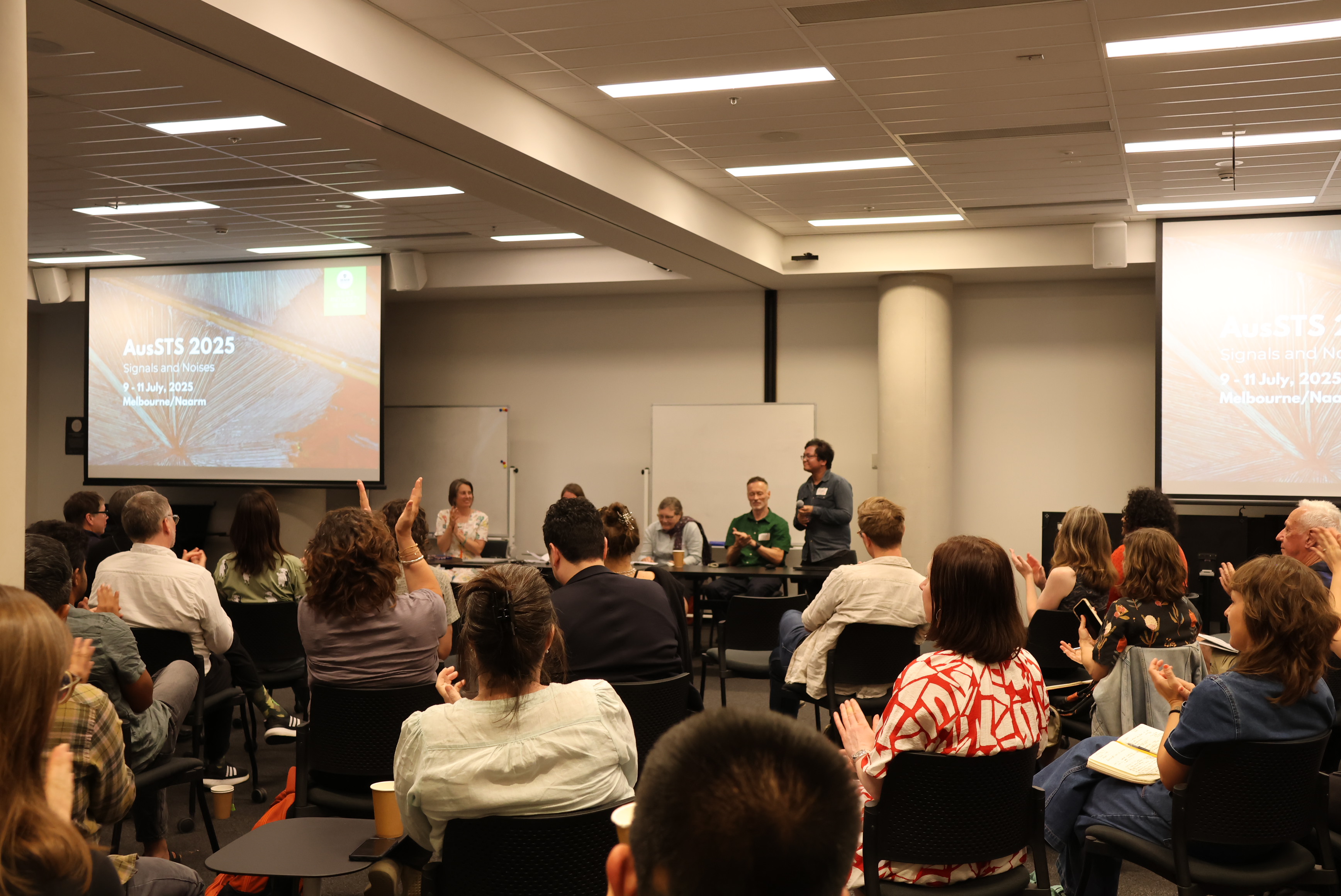
The prize is open to current PhD students and Early Career Researchers (ECRs), who have conferred their PhD within the last two years of the submission closing date (career interruptions included). Nominees must have previously attended at least one AusSTS conference. For published manuscripts, there are no limitations on which journals are eligible. Nominations are accepted from authors, AusSTS members, and journal editors. Unpublished article-length manuscripts and articles/chapters first published in 2024 and 2025 and eligible for the AusSTS 2026 Best Paper Prize.
The award will be assessed by the prize committee according to the following criteria:
Nominations must be submitted via the application form and should include:
Applications for the 2026 prize are now open. Please use the nomination form to apply. Applications will close Friday 2 May, 11:59pm AEST.
Nominations must be submitted via the application form and should include:
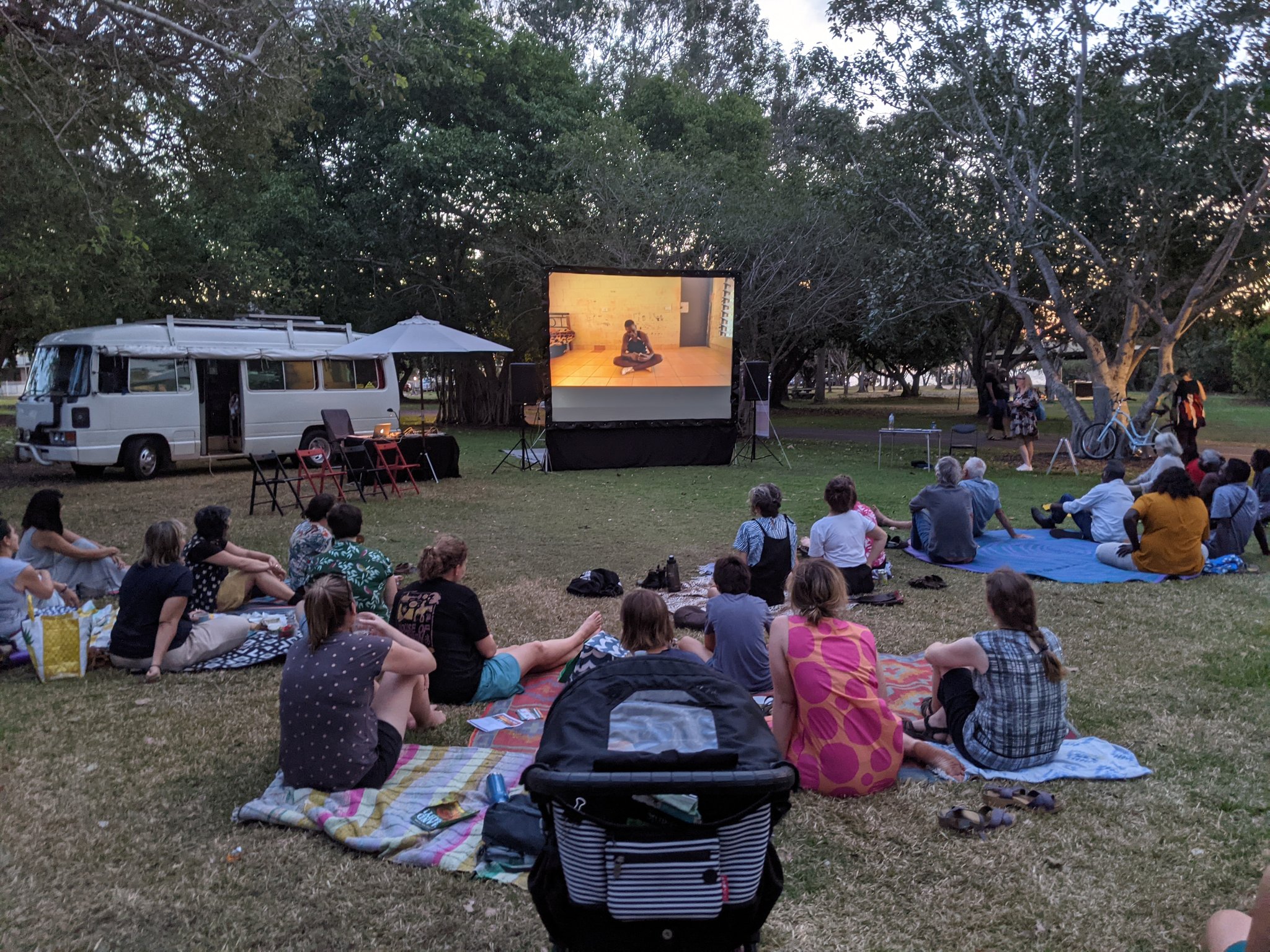
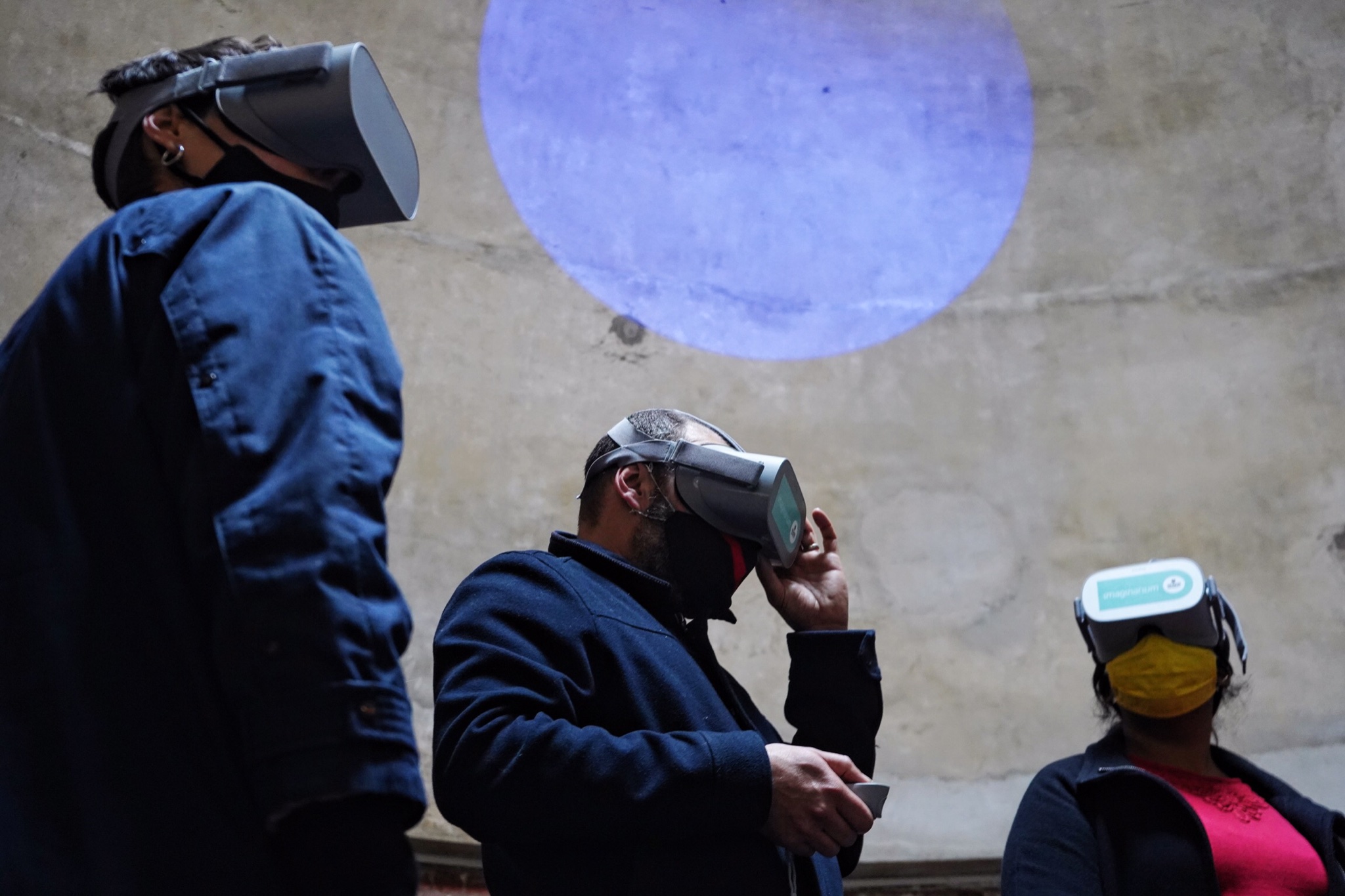
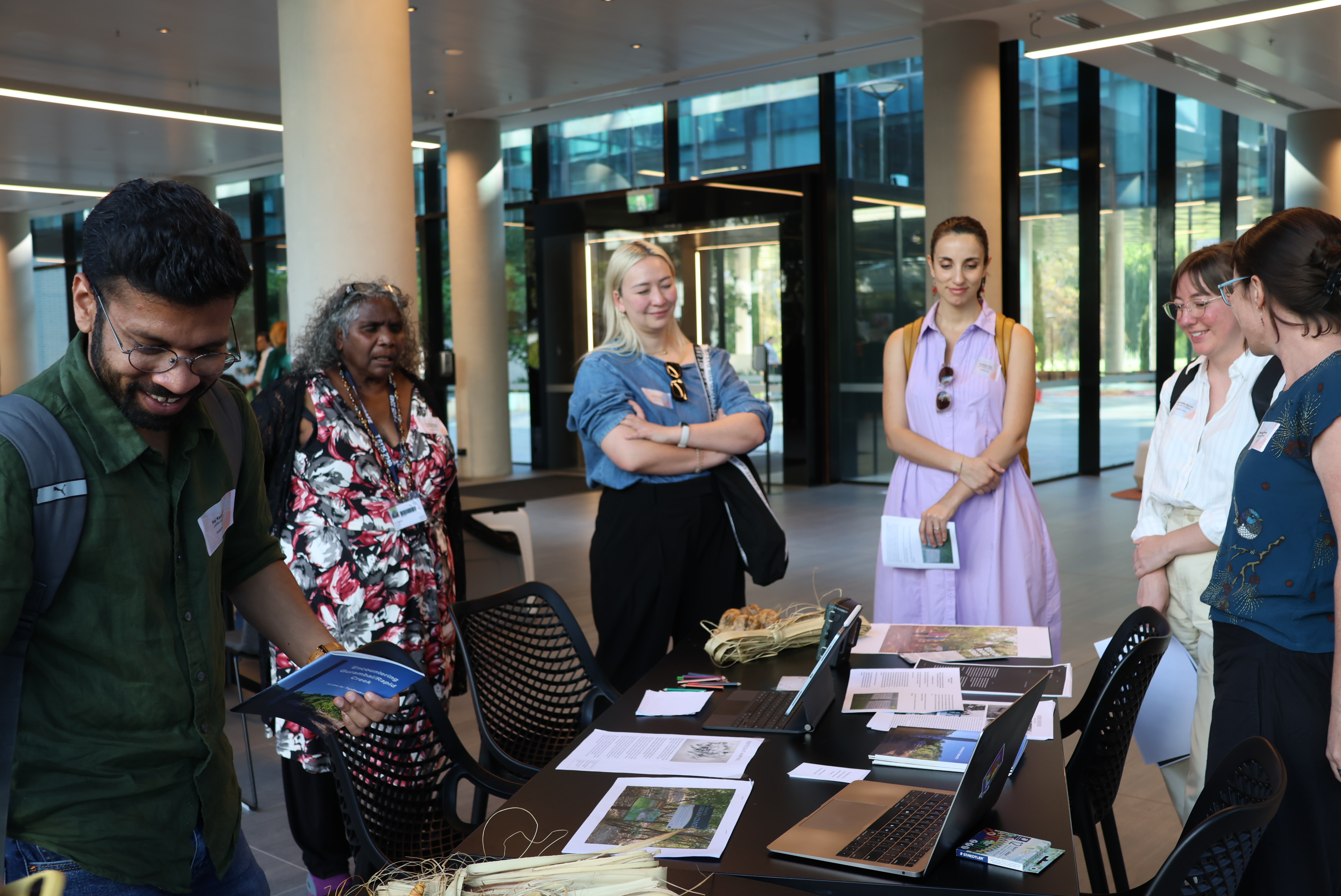
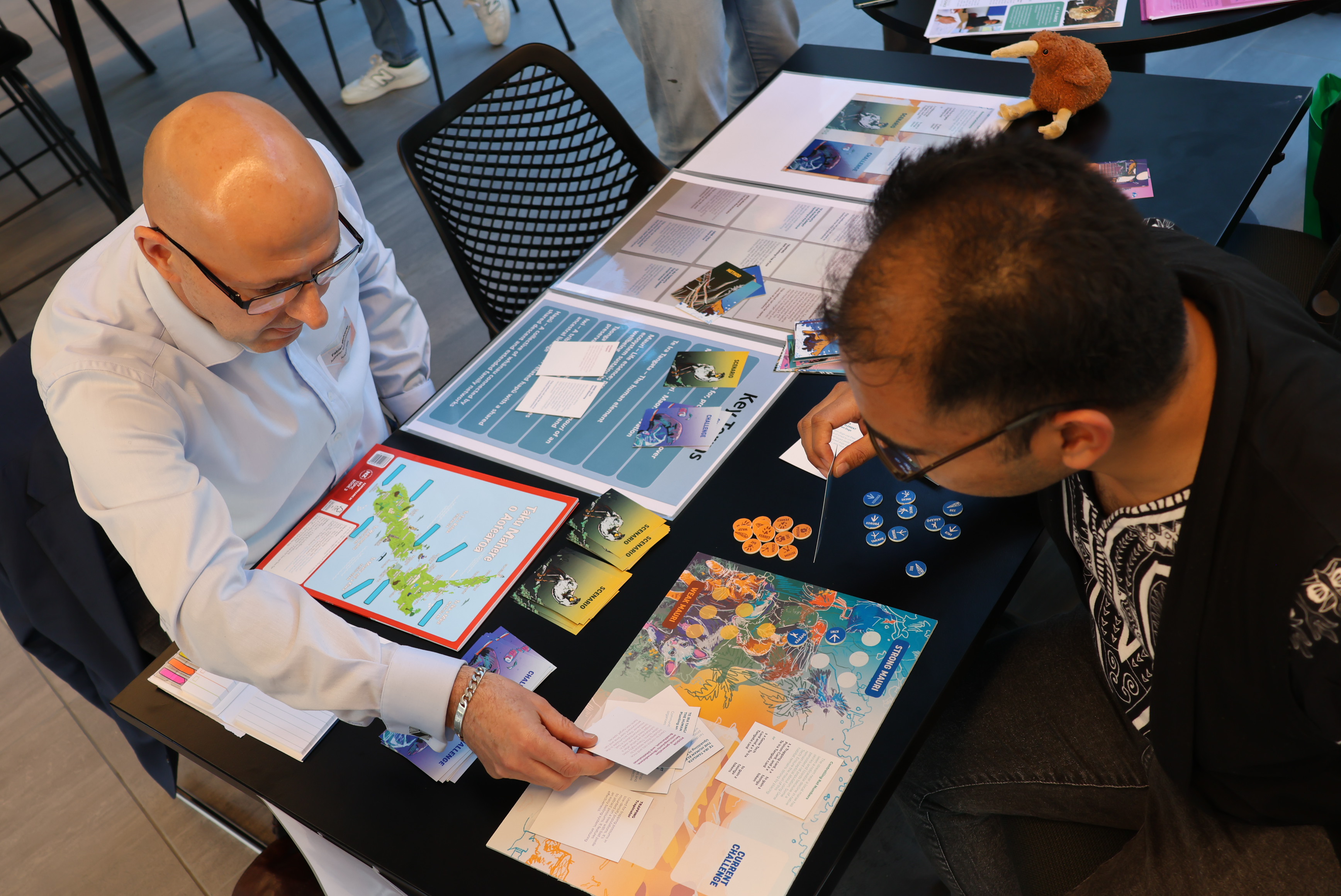
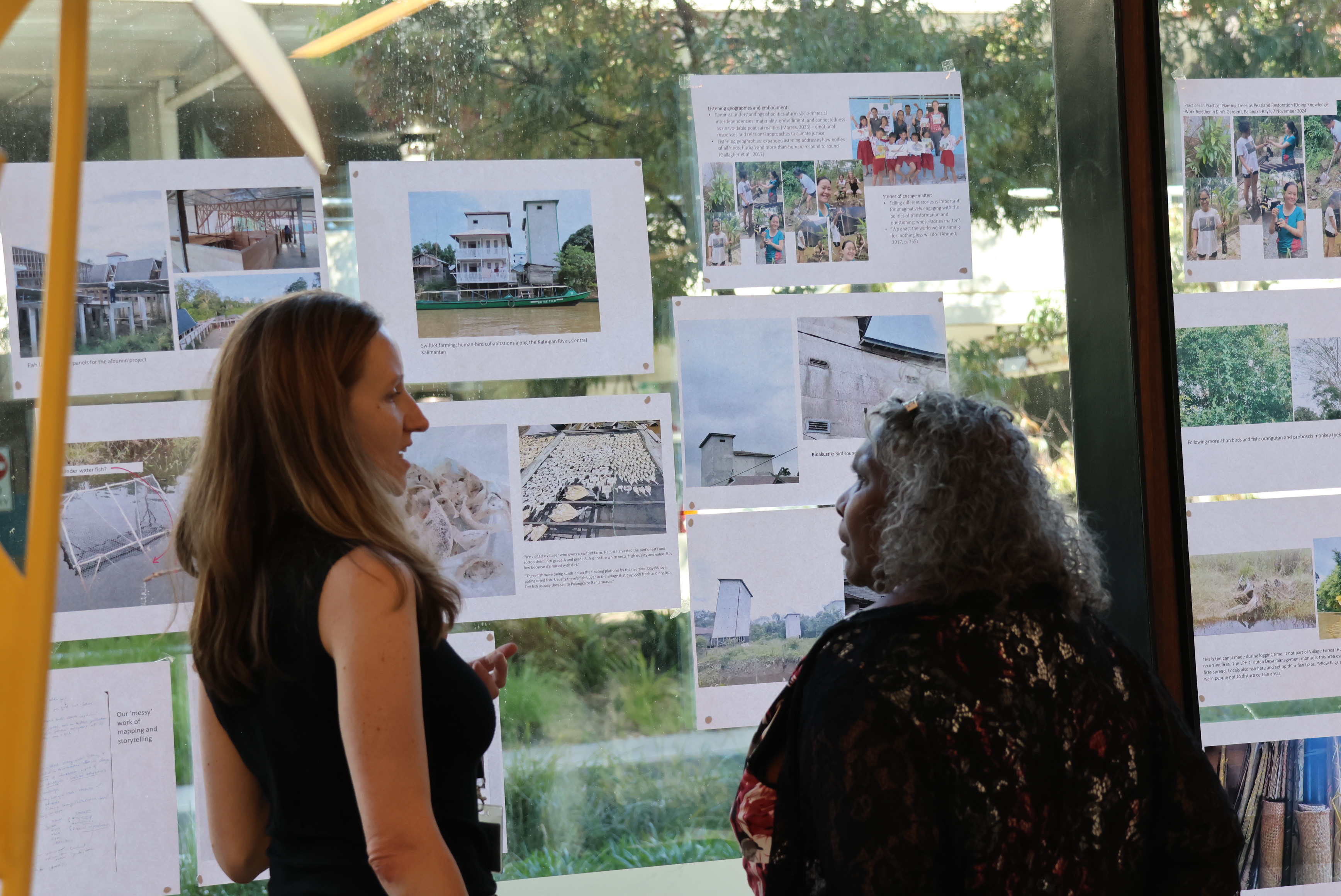
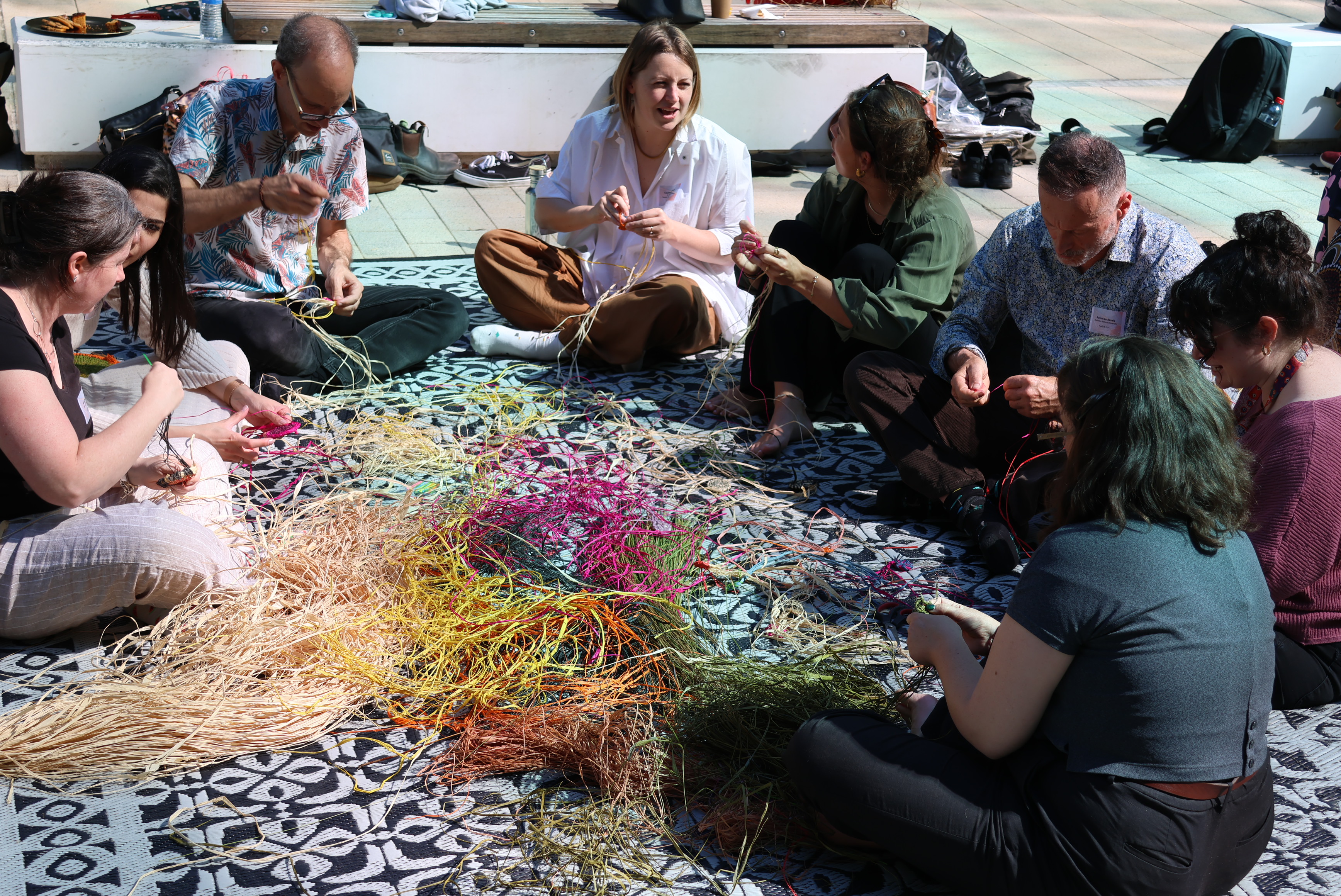
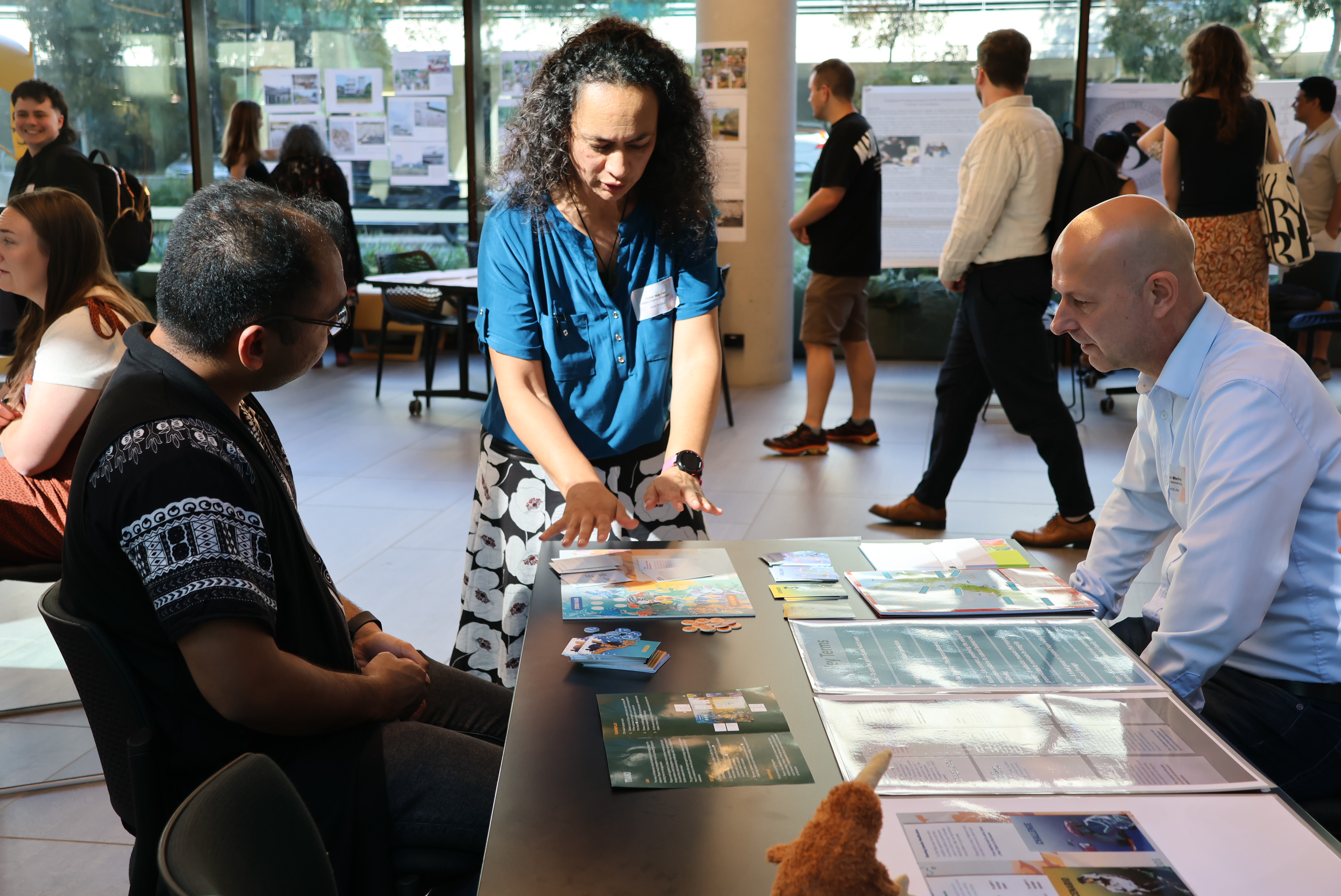
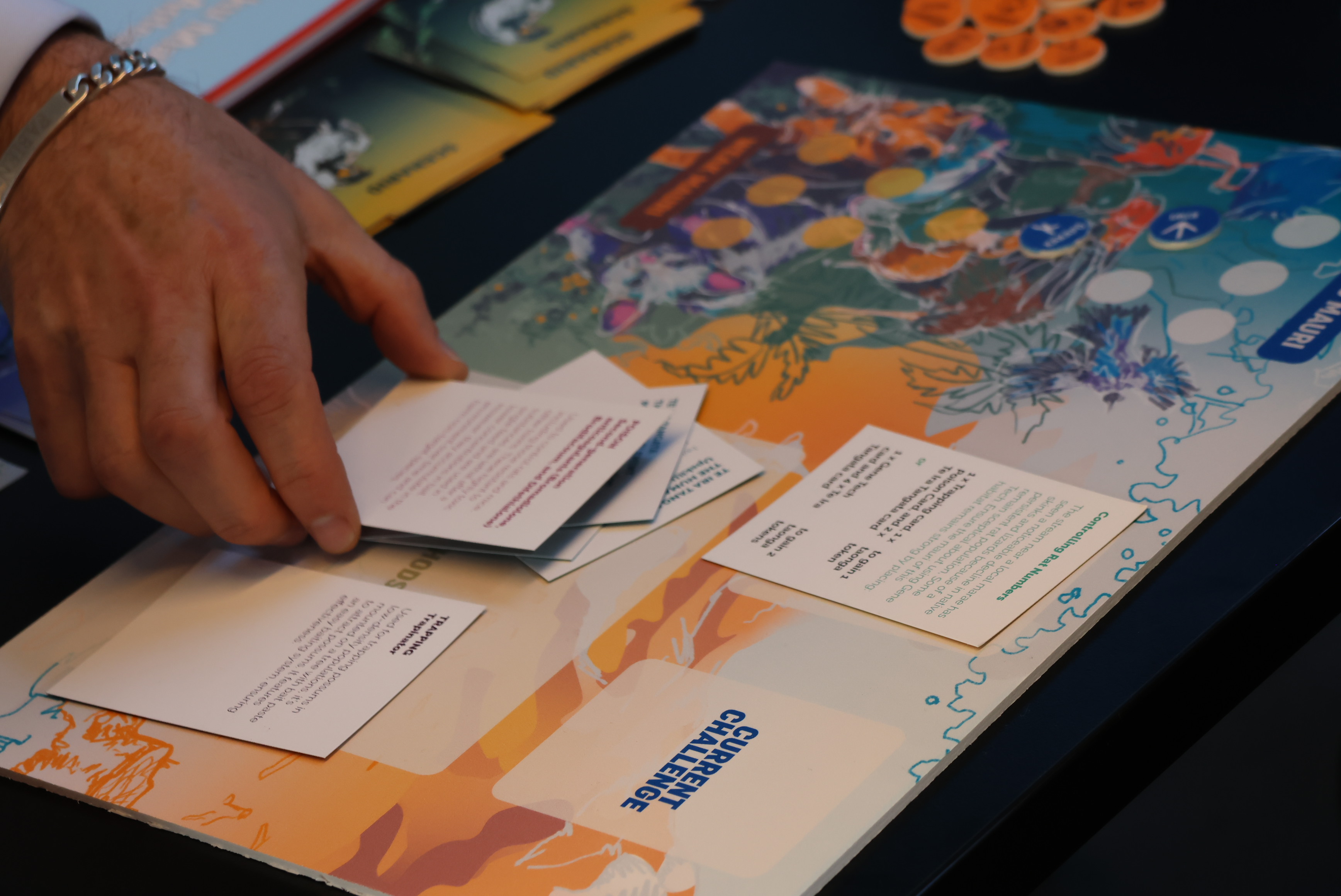
The AusSTS Making and Doing award celebrates non-traditional research scholarship that prioritises enacted, embodied and situated forms of STS knowledge making. Following the distinctive format of STS Making and Doing established at 4S in 2015, this prize recognises responsive and responsible scholarship which problematises how knowledge work itself comes to life in a conference format. Examples of Making & Doing activities include ethnographic films, installations, hands-on workshops, games, and more. The prize will be awarded at the annual conference and the winner will receive free registration for the following year’s conference.
This prize is only open to entrants of the Making and Doing session at the AusSTS annual conference. If you have a presentation in this session, you will automatically be considered for the award.
Presentations will be viewed by the prize committee during the AusSTS Making and Doing session, and assessed according to the following criteria:
All accepted presentations in the AusSTS Making and Doing session are nominated for the prize. This will typically include a 200-300 word description of the work and its significance, as well as a list of technical requirements associated with the presentation. See the conference call-for-papers for details.