

AusSTS2023 Inaugural Conference
17-18 July, 2023
University of New South Wales, Sydney
Sponsored by Science, Technology, & Human Values, the Deakin Science and Society Network, and the Research School of Social Sciences at the ANU
Activities in the AusSTS 2023 conference included:
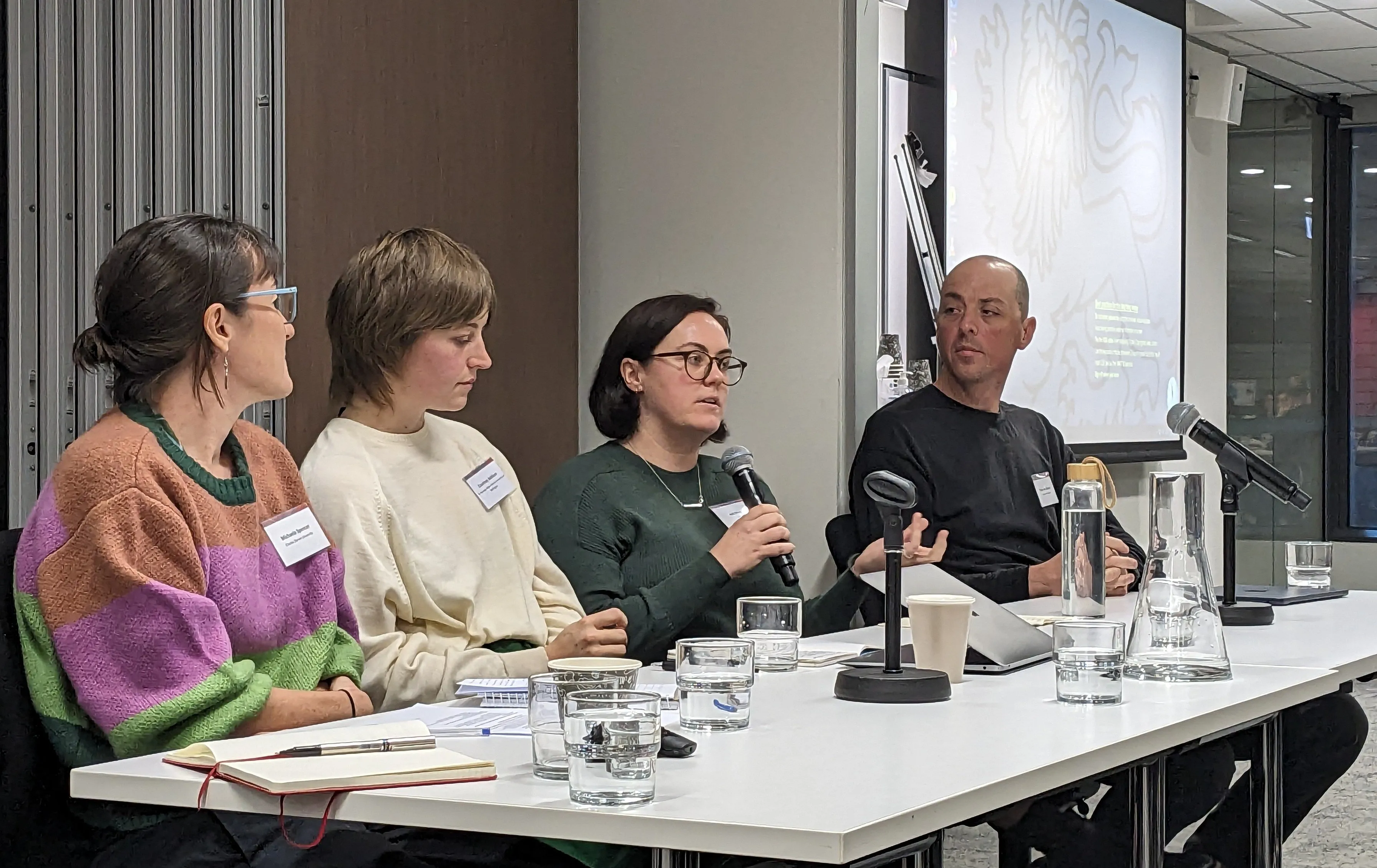
Read a full recap of the event, co-written byCarina Truyts, Jianni Tien, Dan Santos, and Ella Butler, published on4S Backchannels: “Recapping AusSTS 2023 (Sydney) – Conversations in, and with, Place”



In December 2022, the newly appointed editors ofScience, Technology, & Human Values (ST&HV) opened their editorial with the following provocation: “What Is an STS Contribution Now?” (Neale, Lancaster, Addison, Kearnes 2022). The editorial reflects on the curatorial praxis of editing an STS journal through which contributions “cohere” together and with a field. This “coherence,” the editors argue, should connect with shared conceptual goals, but also requires the flexibility and space for new ideas, disagreements, ambivalences, tensions, and all the other mess that makes STS a lively and energising field. In approaching STS as a field that at its core is always in the making, Neale, Lancaster, Addison, and Kearnes write: “We might reframe the notion of a contribution toSTS—which perhaps suggests a static understanding of an established discipline—to a contribution with STS” (2022, p. 5).
The AusSTS network was established in 2017 in Melbourne, Australia with a focus on fostering postgraduate and early career STS community and scholarship but has since expanded across Australia and Aotearoa New Zealand. AusSTS members come from a diverse range of disciplines, experiences, and areas of expertise, and many of our once-early-career members are not-so-early career now. As the network has grown, we have reflected on the rich, nuanced, and situated knowledge-making contributed by Australasian STS scholars (across and beyond the AusSTS network) and how our collective work is shaping an STS identity in the region.
With this in mind, the AusSTS 2023 conference posits a localised version of the earlier ST&HV editorial provocation:
What is an Australasian STS Contribution?
In taking this up as our guiding question, we are interested in what it means to contribute with Australasian STS. Who are we as a region and as a field—and who is the ‘we’ we speak of? Who are the voices already contributing to ‘Australasian STS’ and what does it mean to name (or not name) them/us as such?
Furthermore, what are the politics of ‘contributing’? What does it mean to contribute and invite contribution? What counts as contributing work and who gets to decide?
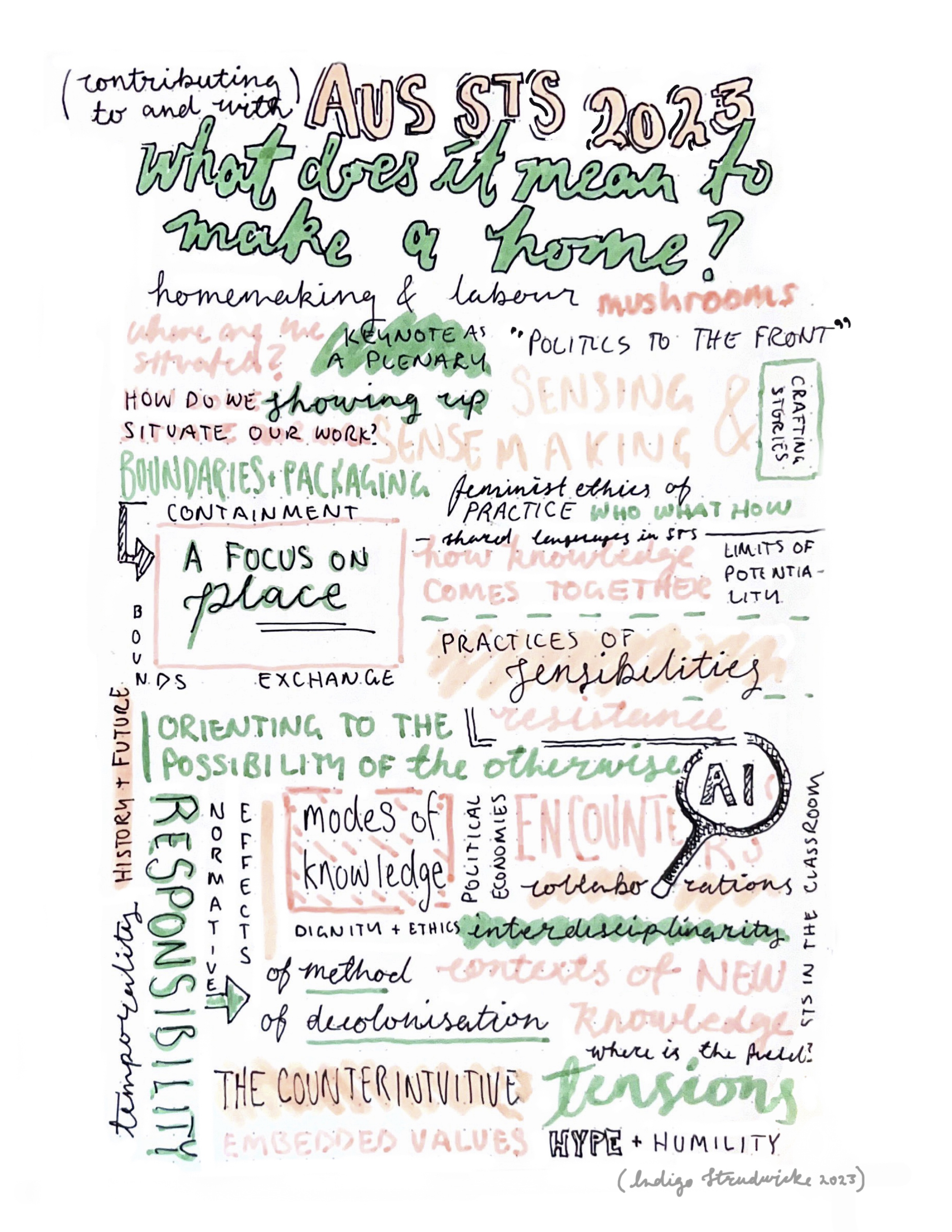
Couldn’t make it to AusSTS 2023?
Catch up on some of what you missed through the following research outputs, which are directly connected to papers presented at the conference.

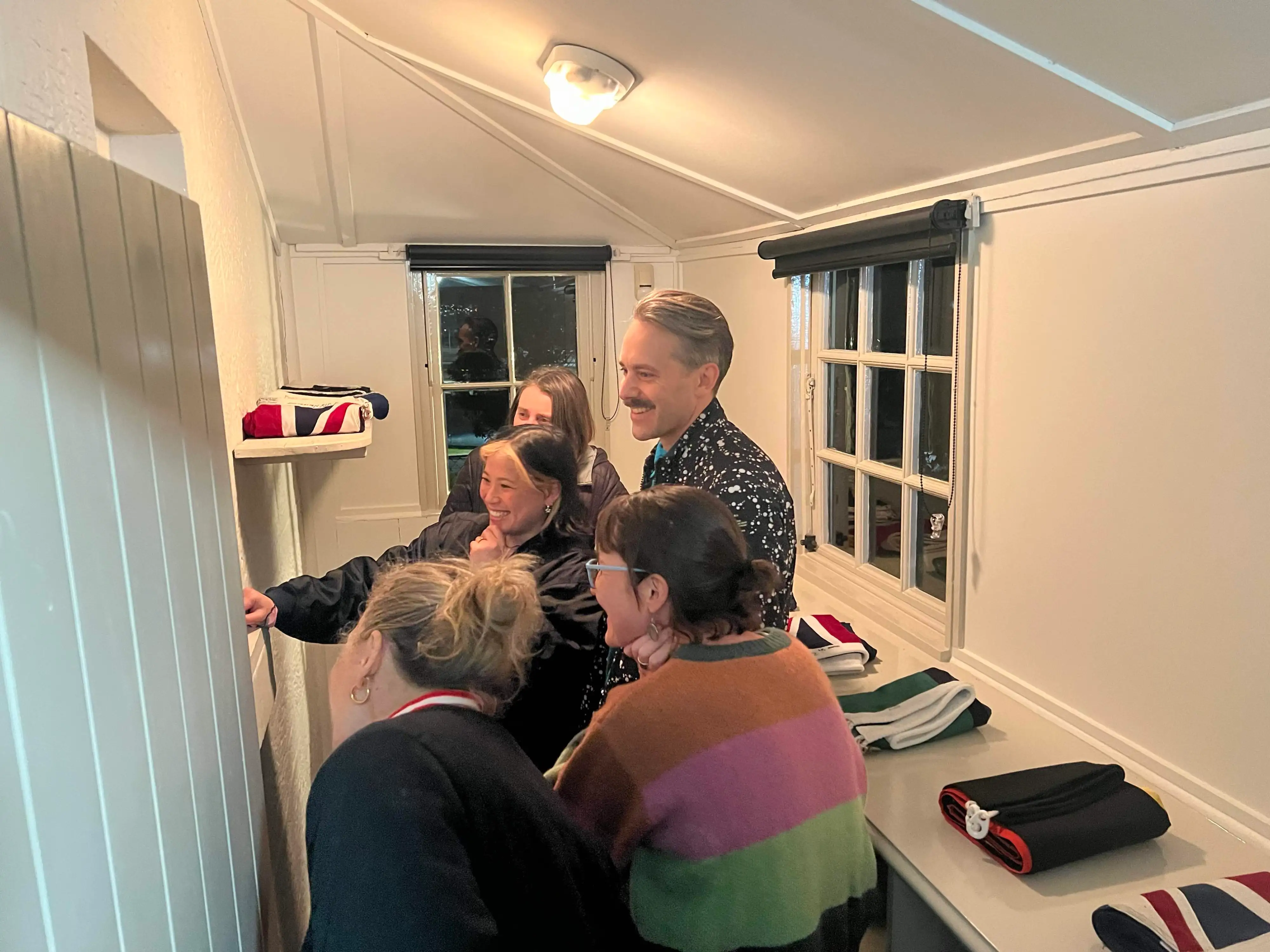


The AusSTS 2023 conference was convened by the Sydney node of AusSTS, led by Mia Harrison with Ella Butler, Kari Lancaster, and Matt Kearnes. The conference was organised in collaboration with the AusSTS network steering committee, which is situated across Sydney, Melbourne, Darwin, and Wellington.
AusSTS 2023 was hosted at UNSW Sydney in partnership with UNSW ADA Science and Society Research Group and with support from the Centre for Social Research in Health and the School of Humanities & Languages, UNSW.
We are grateful for support from Deakin Science and Society Network, TopEndSTS and Northern Institute, and Science, Technology, & Human Values.
The events of AusSTS 2023 were located on the unceded lands of the Gadigal people, who are the Traditional Owners of the lands. We pay respects to the Elders both past and present of these lands and the many other lands from which members of AusSTS come together.